Choose the Act Without Naming an Artist
Ask for a girl group, boy group, or solo setup and describe the energy in plain terms. Use vocal roles and production details instead of copying a real performer.
Pro mit 50% Rabatt
Pro starten mit 50% Rabatt
Neue Konten · Erster Monat/Jahr
Neue Konten · Erster Monat oder erstes Jahr

Treat the prompt like a short comeback brief. Define the act and concept, map the key sections, then adjust the result you hear.
Choose a girl group, boy group, or solo direction. Add a clear concept such as bright summer pop, dark electro, or an emotional ballad.
State the Korean-English balance you want. Give the pre-chorus, hook, rap break, and final chorus a simple role in the song.
Check the hook, language flow, vocal layers, and section changes. Keep the strongest choice and revise one weak part in the next version.
A focused brief helps you test the concept, lyrics, arrangement, and performance use before you spend time polishing the wrong direction.
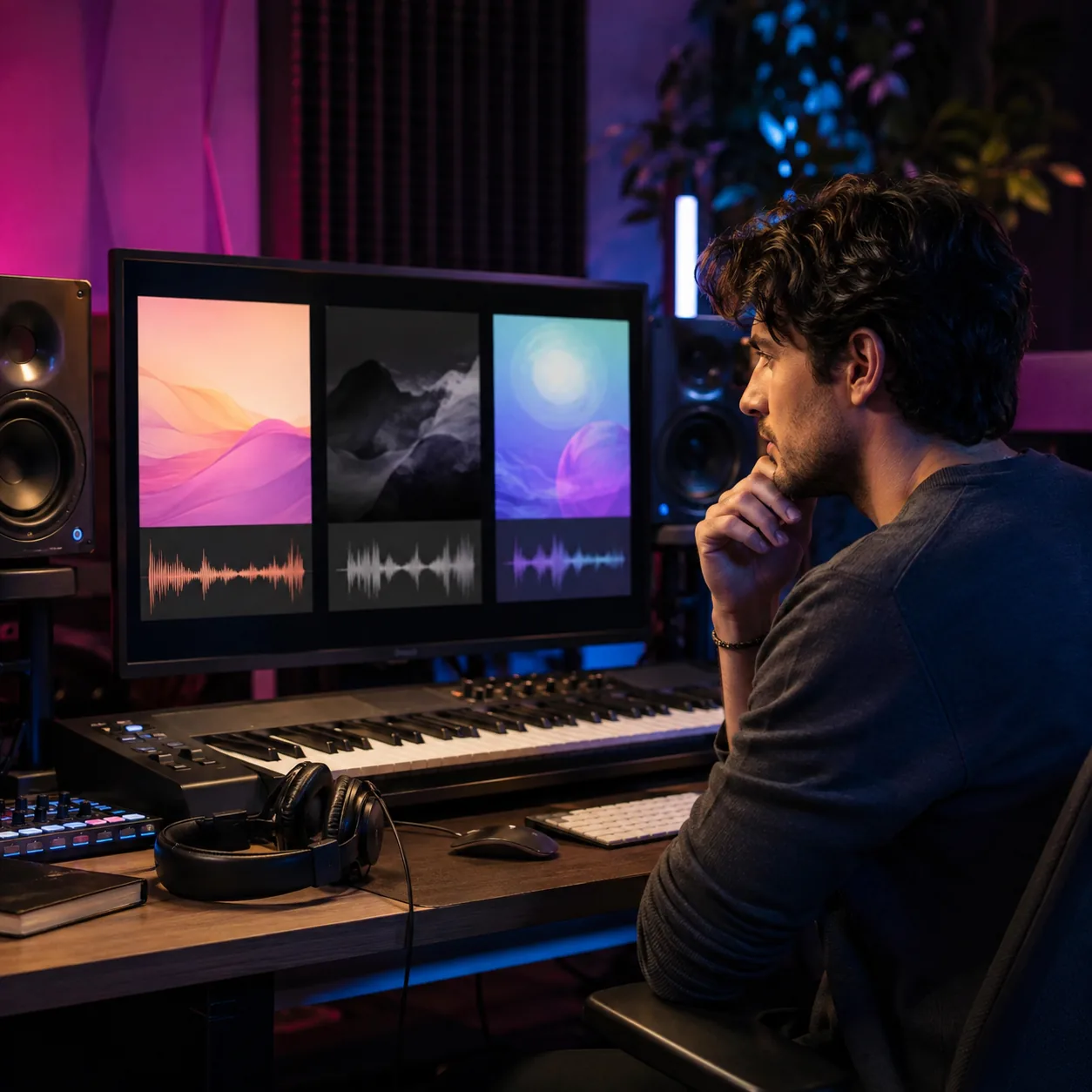
Your idea may fit a bright group hook, a harder boy group track, or a focused solo single. Generate each lane from the same theme before you choose one to develop.
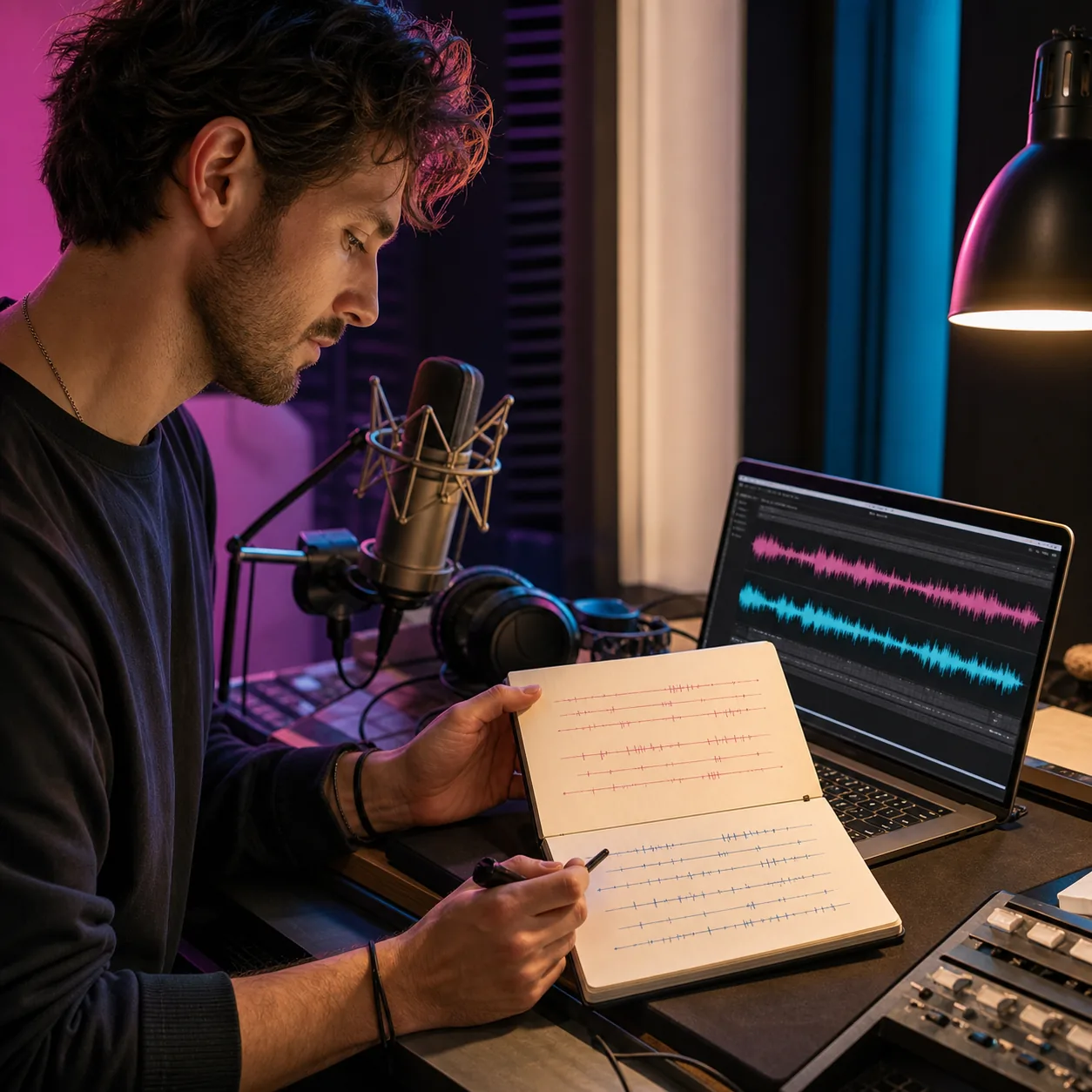
A bilingual hook can feel uneven when one language carries every key line. Set a rough ratio, mark which language belongs in each section, and listen for a natural handoff.
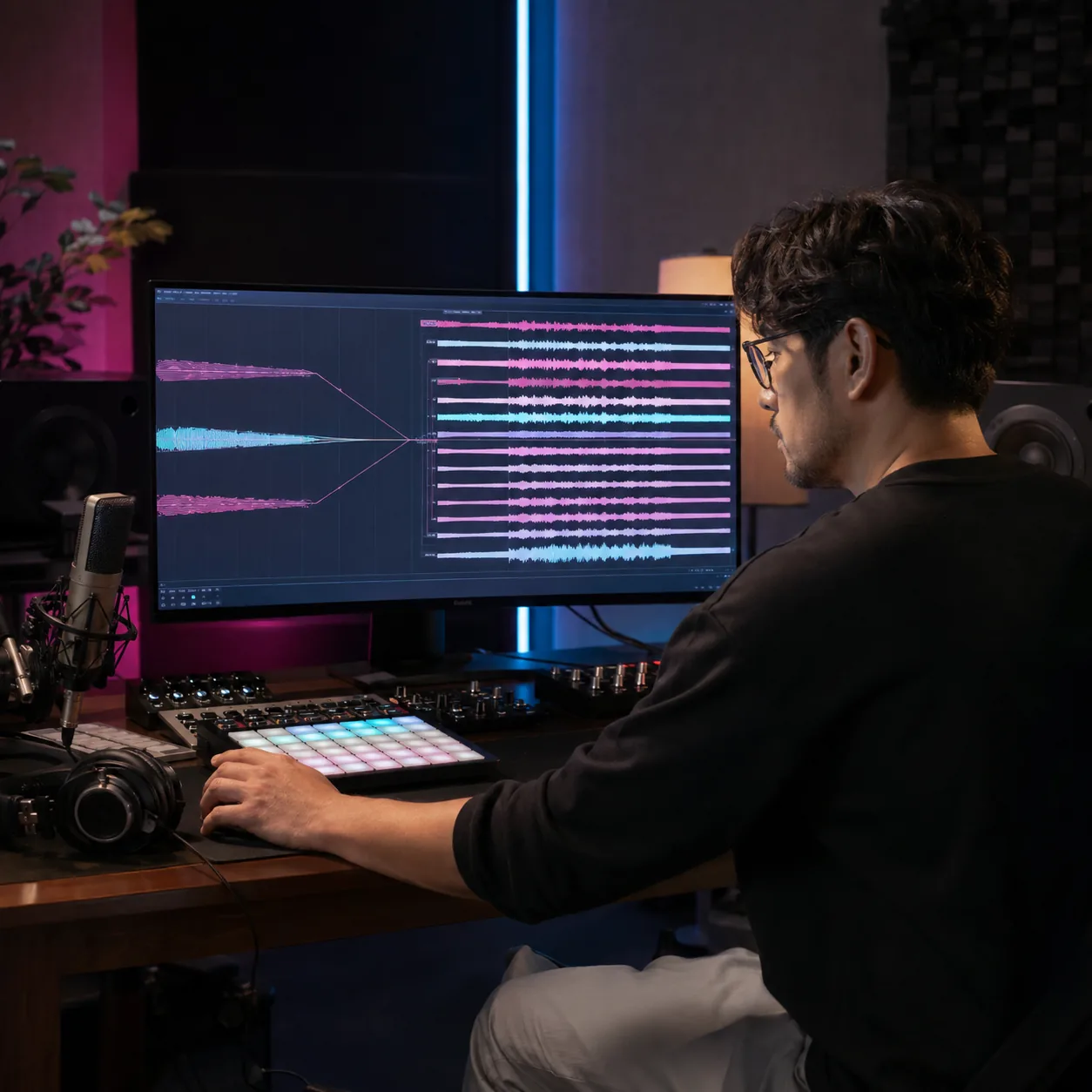
A rap section can interrupt the build if it has no job. Place it before the last chorus, describe the beat change, and say how the final hook should return with more weight.
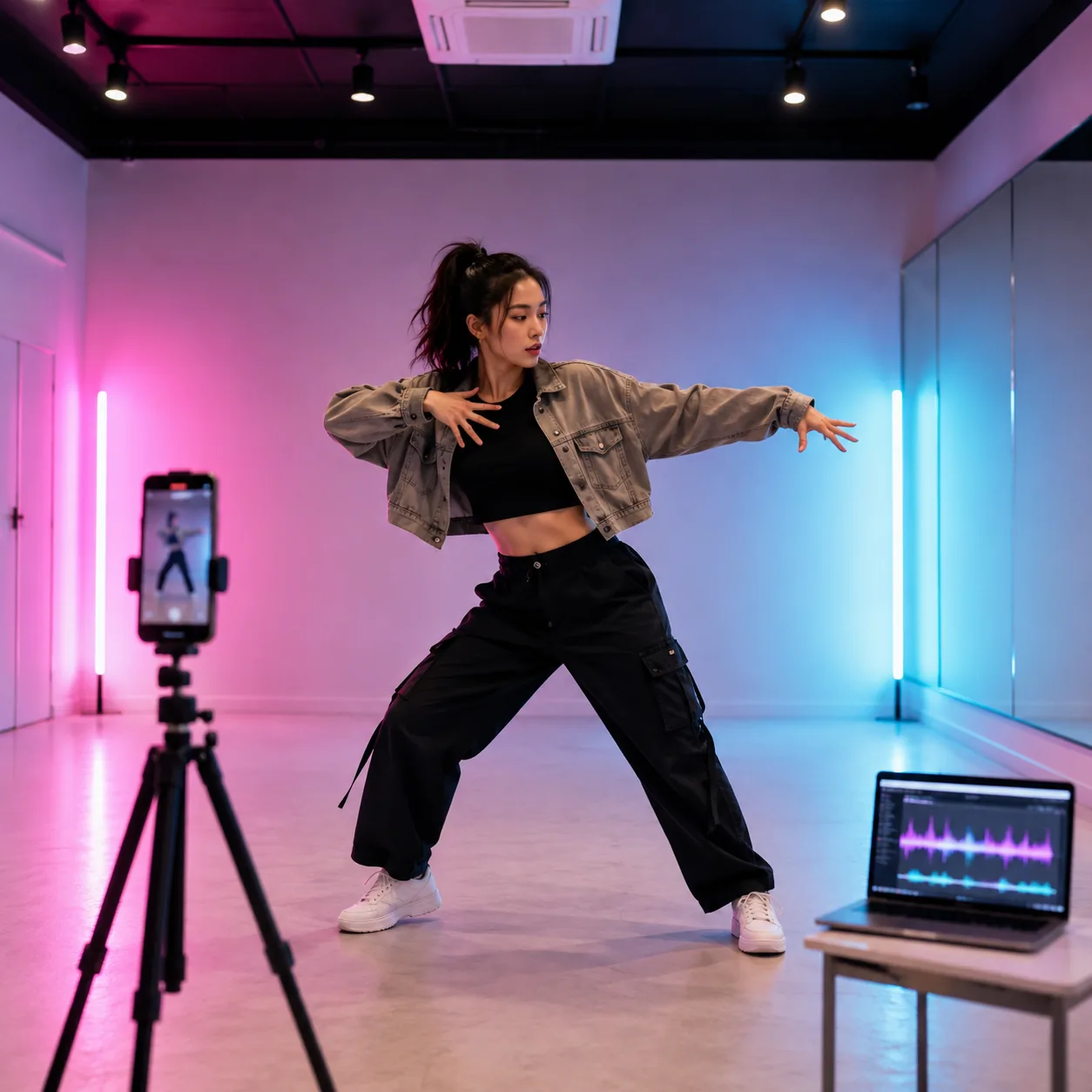
A full song may hide the eight counts your clip needs. Ask for a direct intro, a clear hook, and a short dance break, then match the strongest section to your edit.
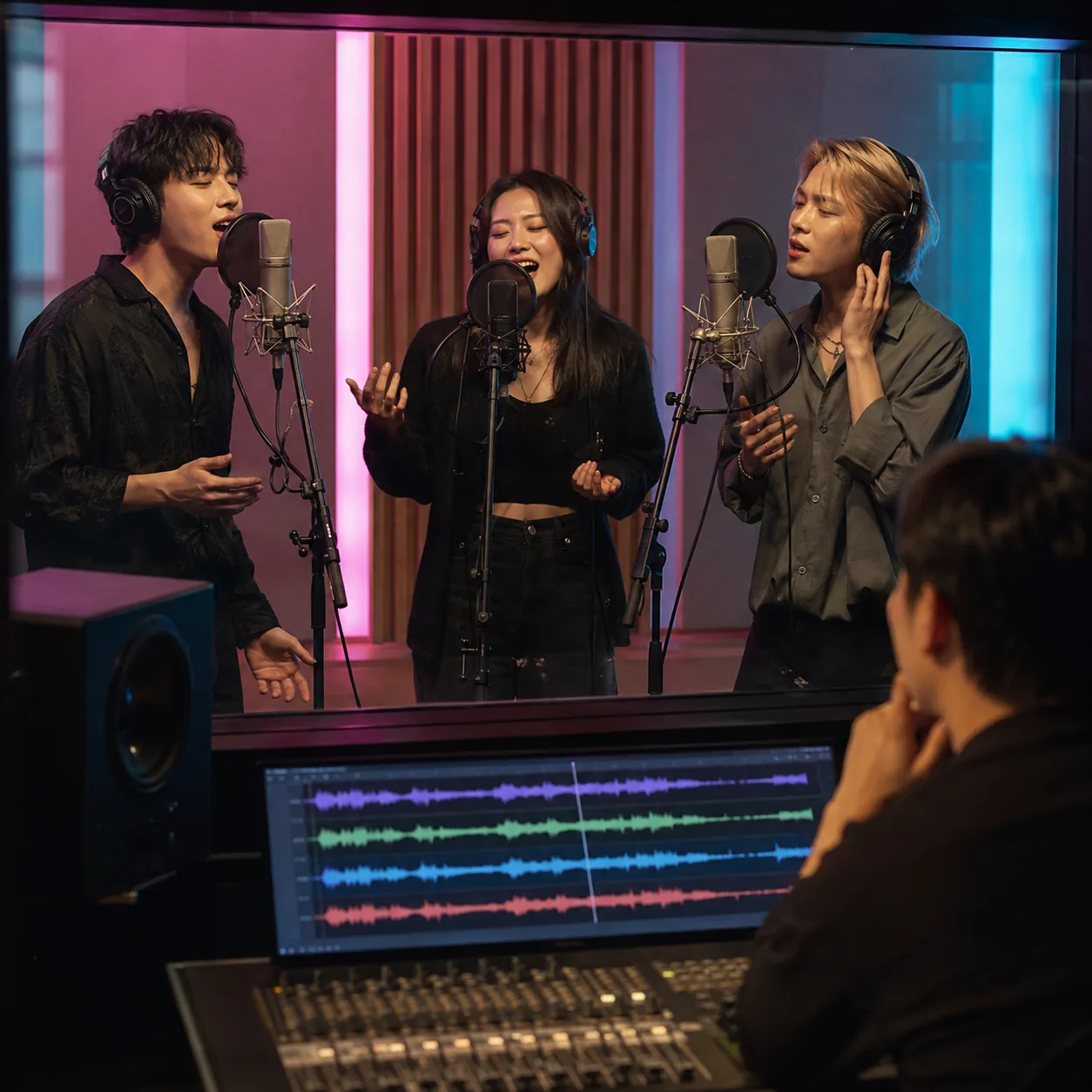
One flat lead can make a group chorus feel small. Describe traded lines, a unison phrase, backing harmonies, and short ad-libs so the hook has a clearer vocal plan.
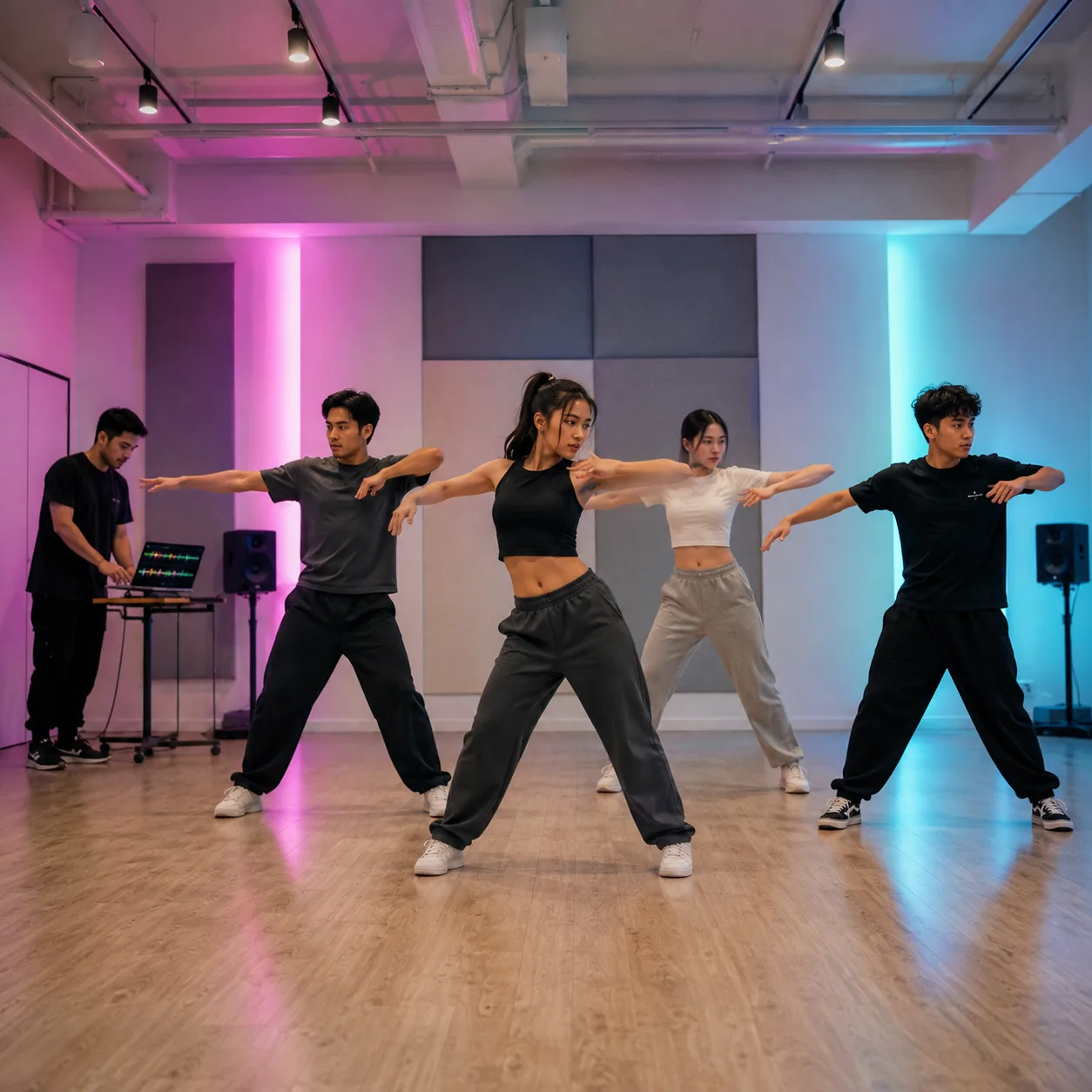
Vocals can distract when you are checking timing and formations. Switch to instrumental, keep the same BPM and section map, and build a clean practice version.
K-pop can move across pop, hip hop, R&B, and EDM inside one track. A clear concept keeps those changes connected instead of random.
Ask for a girl group, boy group, or solo setup and describe the energy in plain terms. Use vocal roles and production details instead of copying a real performer.
Choose Korean, English, or a mix. A ratio such as mostly Korean verses with a short English hook gives the lyric plan a clearer target.
Tell the verse to stay tight, let the pre-chorus climb, and save the widest melody or chant for the hook. The contrast makes the chorus easier to judge.
A rap break, half-time beat, or soft bridge should change the point of view or energy. Name what shifts and how the song should return.
Describe lead lines, traded phrases, unison hooks, backing harmonies, and ad-libs. You can also choose male, female, or automatic vocals in the form.
Pair K-pop with one or two clear influences such as R&B, trap, synth-pop, or EDM. State where each sound belongs so the track does not change at random.
Leave vocals on for a full song or lyric demo. Turn them off when you need a dance practice track, backing music, or space for your own topline.
If the hook lands but the rap break feels abrupt, keep the chorus and change the transition. A focused revision is easier to compare with the first take.
Quick answers about prompts, Korean and English lyrics, group concepts, rap sections, vocals, instrumentals, free credits, and usage rights.
It is a tool that turns a text brief or your own lyrics into a K-pop track. You can direct the concept, language mix, section changes, vocals, instruments, and overall mood.
Name the act type, concept, language mix, tempo, main sounds, vocal plan, and song shape. Generate a version, listen for what missed, then revise one or two details.
You can start with free credits after you sign in. The form shows the credit cost before you generate, so you can review it first.
Ask for Korean, English, or a bilingual mix in your prompt. Set a rough ratio or assign a language to each section, and have a fluent speaker review Korean lyrics before release.
Yes. Describe the act type, number of vocal roles, mood, and production lane. Avoid asking for a copy of a named artist or real person's voice.
State where the rap begins, how the beat changes, and what it should add to the story. Placing it before a bridge or final chorus often gives the section a clear purpose.
Open Lyrics to Song mode and paste words you wrote or have the right to use. Labels such as [Verse], [Pre-Chorus], [Rap], [Chorus], and [Bridge] can clarify the structure.
Turn on Instrumental and describe the BPM, section map, mood, and main sounds. This works well for dance rehearsal, backing tracks, and topline writing.
Include the act type, concept, language ratio, BPM or tempo feel, hook, rap or dance break, main instruments, vocal layers, and section plan.
Use plain directions such as traded lead lines, a short unison hook, backing harmonies, call and response, and ad-libs in the last chorus.
Commercial use depends on your BeMusic plan and the track. Review the commercial license before monetized, client, or paid use.
Replace broad words with a clear concept, language split, BPM, section changes, vocal roles, and production details. Keep the strongest section and revise one weak choice at a time.
Need help with a generation? Contact the BeMusic team.
Entdecke weitere Funktionen, die dich beim Musikmachen unterstützen
Define the act, concept, and language balance. Map the key sections, then hear how the hook and rap break connect.