Give the Main Riff One Job
Decide whether the riff opens the track, drives the verse, answers the vocal, or returns after the breakdown. One role keeps the guitar idea clear.
Pro mit 50% Rabatt
Pro starten mit 50% Rabatt
Neue Konten · Erster Monat/Jahr
Neue Konten · Erster Monat oder erstes Jahr

Write your prompt like a short note to a band. Pick the metal lane, assign each part a job, then revise the section that misses.
Start with heavy metal, thrash, death metal, doom, or metalcore. Add the song topic, tempo feel, and whether you want clean, harsh, or no vocals.
Give the guitars a pattern and tone, then tell the drums how to move. Try tight palm-muted gallops over double kick, with wider chords in the chorus.
Check the pick attack, low end, drum lock, vocal fit, and change into the breakdown. Keep what works and revise one weak choice in the next prompt.
One riff can lead to several useful outcomes. Hear it as a full arrangement, vocal demo, practice track, or high-impact score.
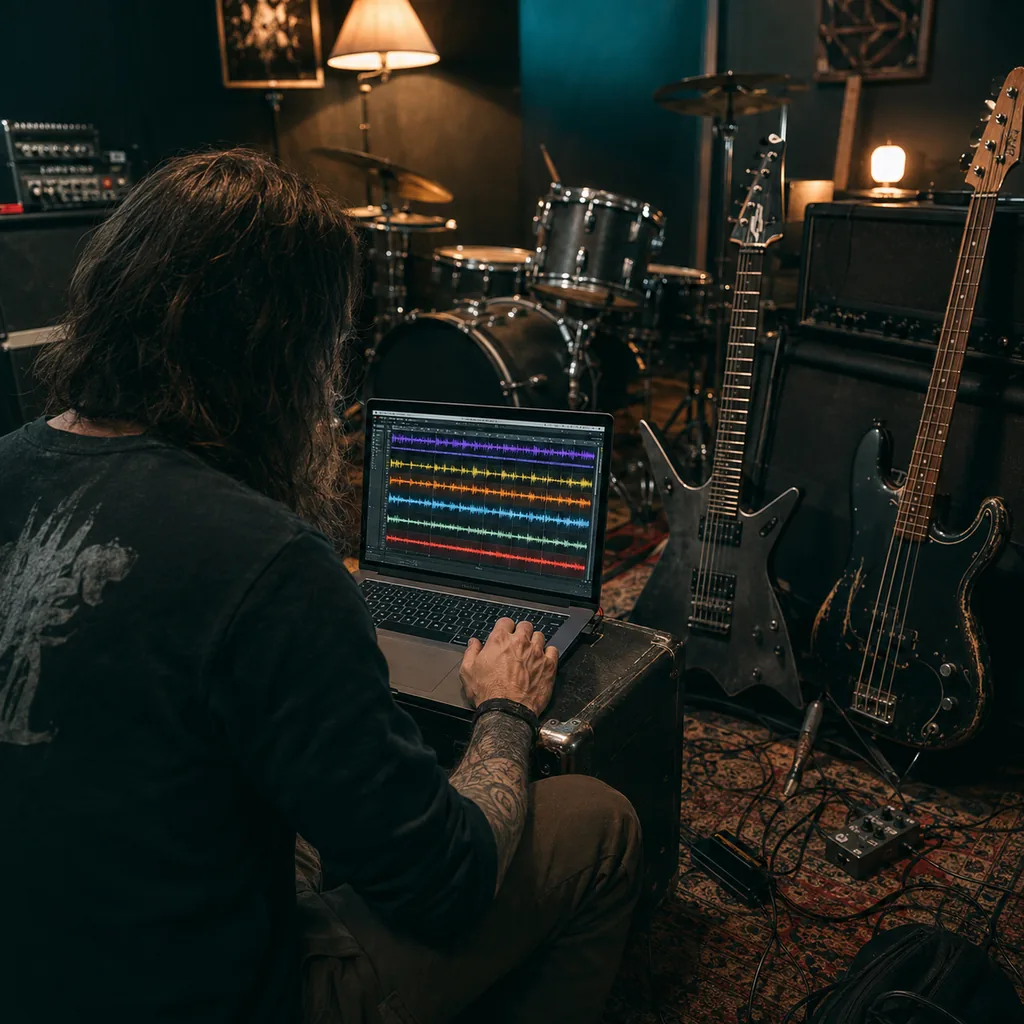
You may have one strong riff but no verse, chorus, or ending. Describe how the guitars, bass, and drums should trade space to hear one possible full-band version.
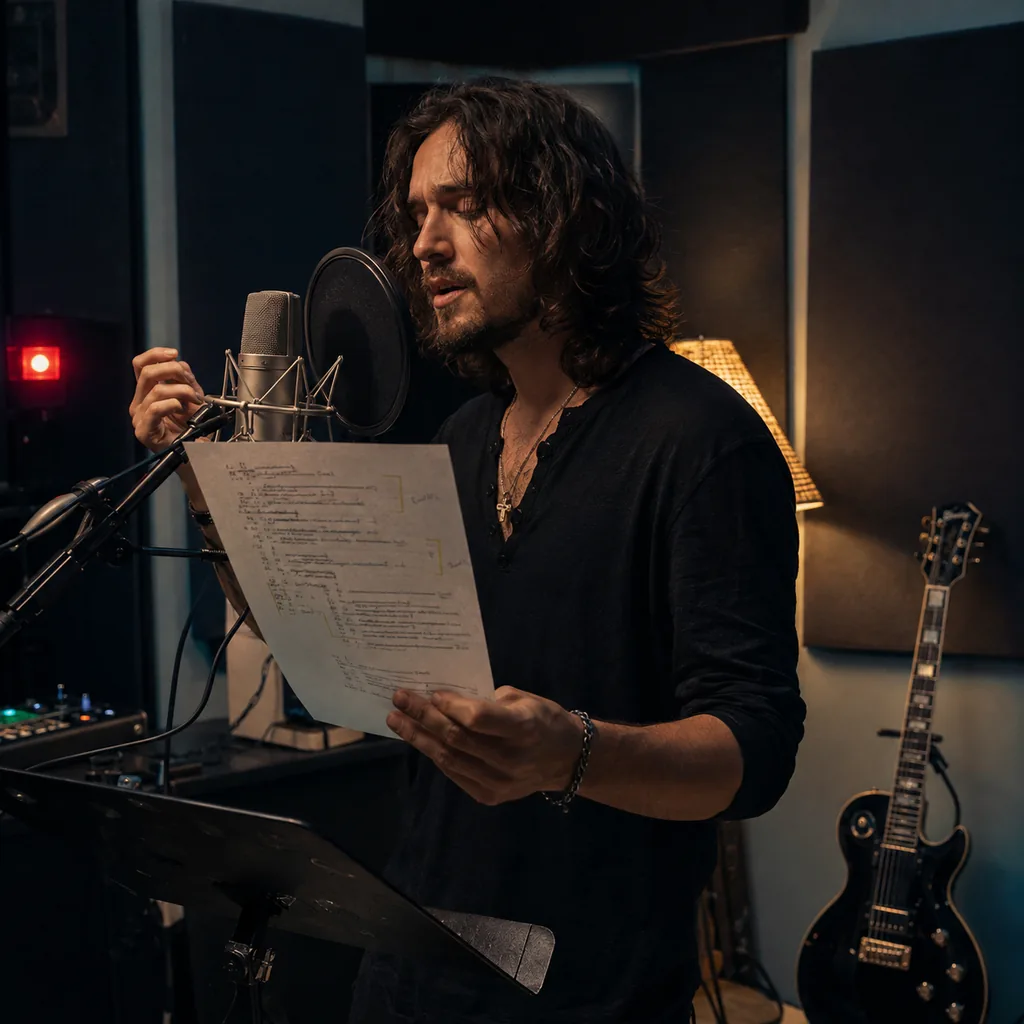
Words alone do not reveal where the music should hit. Paste lyrics you wrote, mark each section, and explain where the vocal should stay clean or turn harsh.
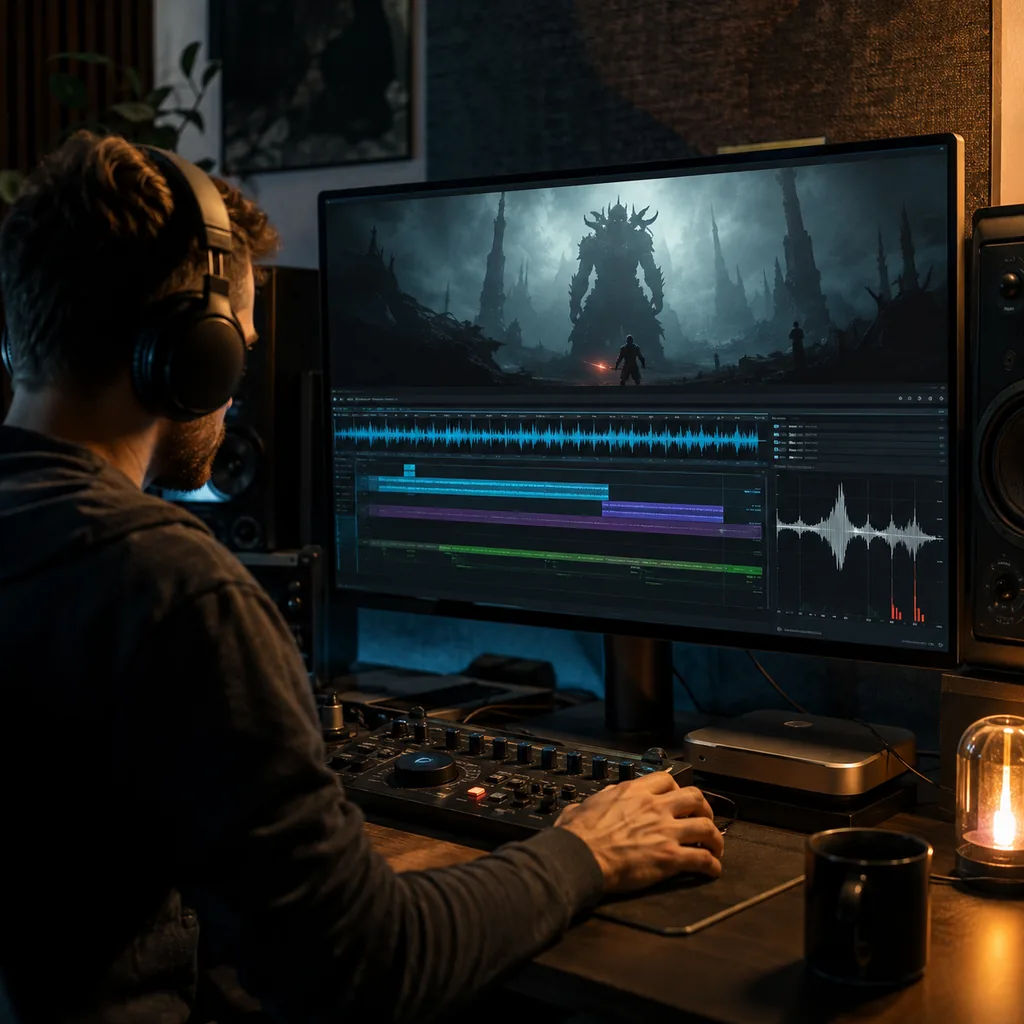
A game battle or dark trailer may need pressure without a lead vocal. Ask for an instrumental build, a clear impact point, and an ending that fits the cut.
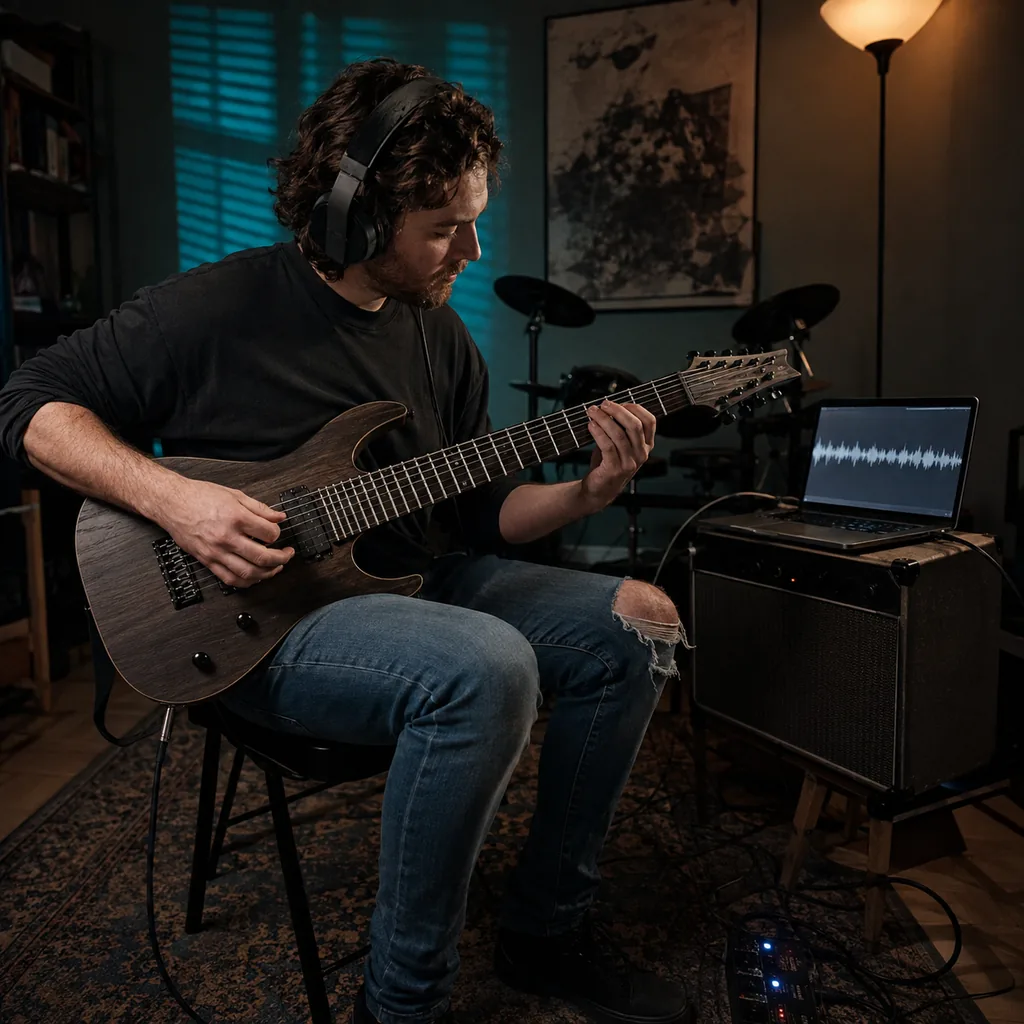
Practicing a riff alone can hide timing problems. Make a bass-and-drum backing track with a steady pocket, then leave room for your rhythm or lead part.
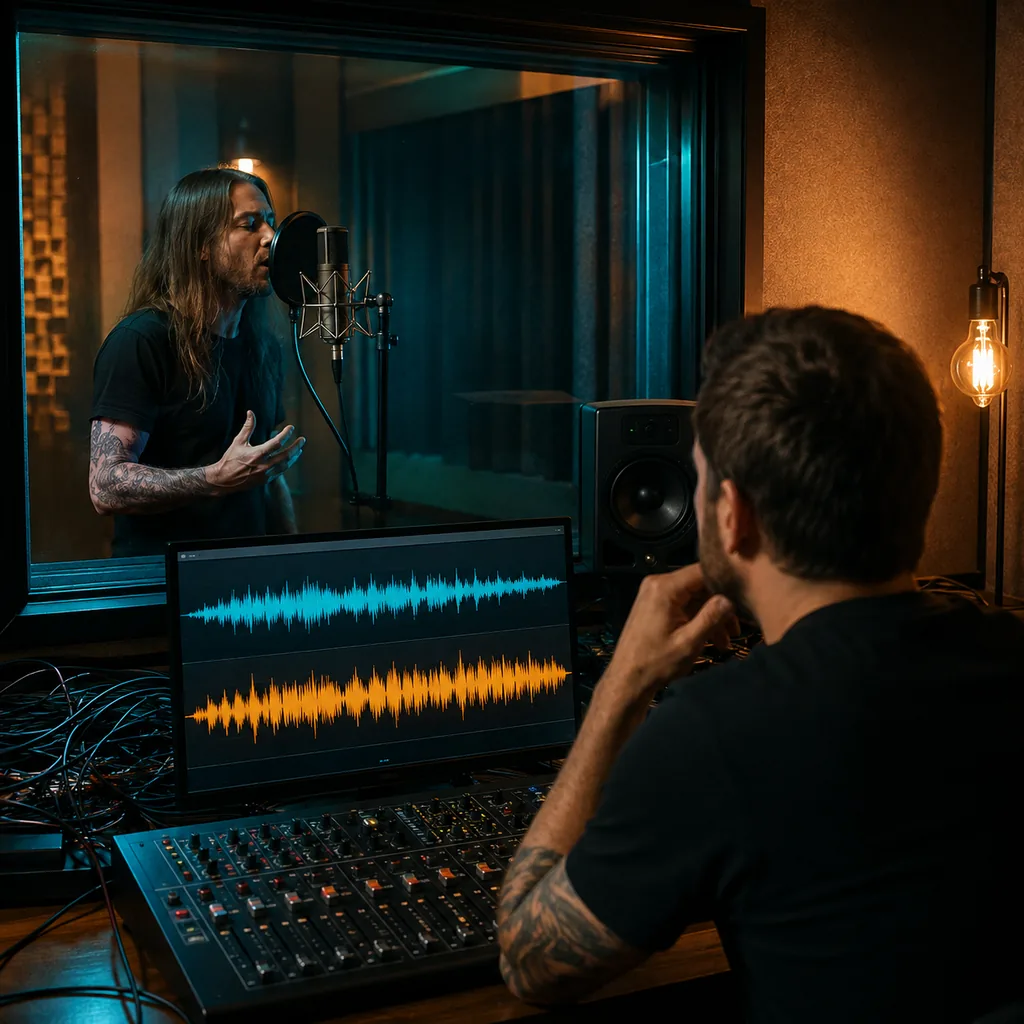
A lyric can lose weight in the wrong delivery. Compare a clean chorus with a growled or screamed verse, and describe the contrast you want between them.
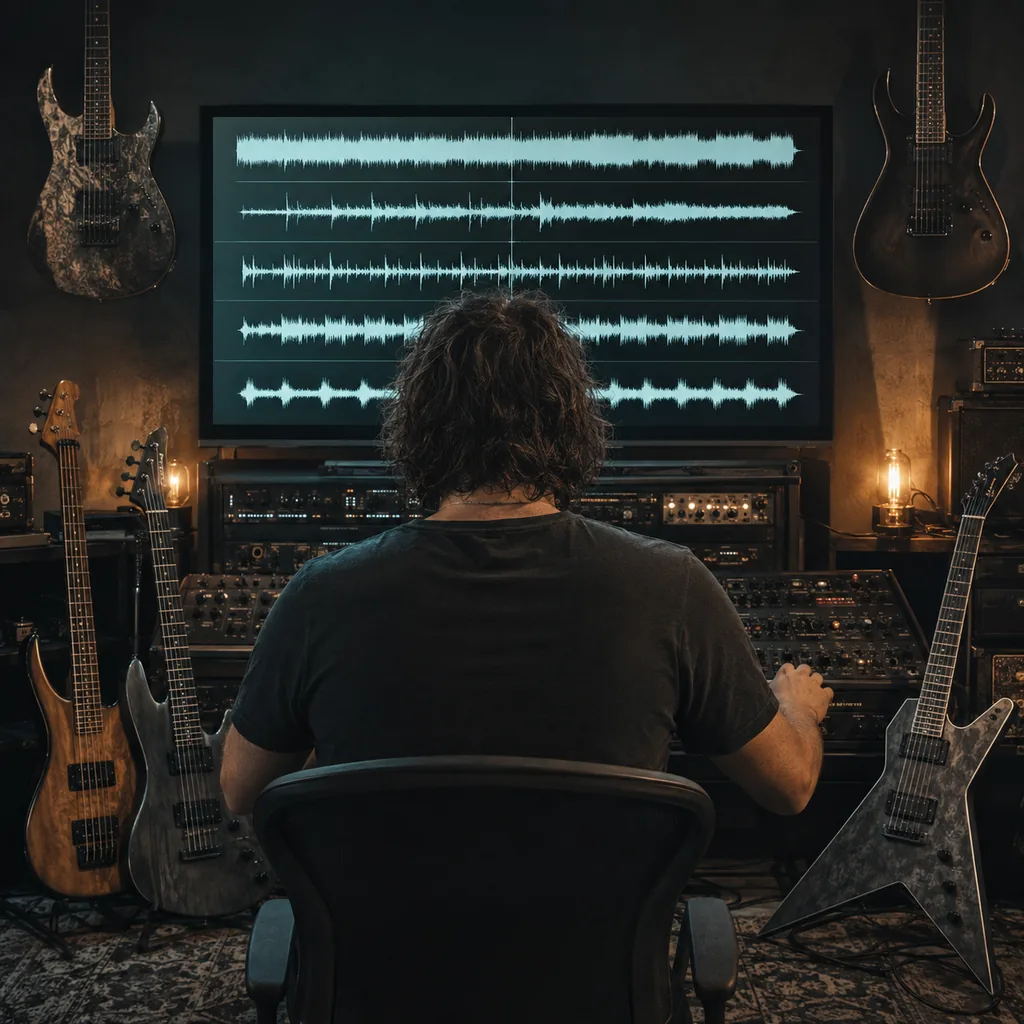
The same hook can feel fast, bleak, brutal, or anthemic. Try it as heavy metal, thrash, death metal, doom, and metalcore before you choose the final lane.
Metal feels heavy when the parts lock together and sections create contrast. These prompt choices give each instrument a clearer role.
Decide whether the riff opens the track, drives the verse, answers the vocal, or returns after the breakdown. One role keeps the guitar idea clear.
Heavy, thrash, death, doom, and metalcore use different tempos, tones, vocal styles, and structures. Put the subgenre near the start of your prompt.
Ask for double kick under the verse, a driving chorus, blast beats for a short peak, or a slower half-time section. Treat each phrase as creative guidance.
A breakdown hits harder after the track pulls back or changes pace. Describe the setup, the half-time drop, and what the guitars should do at the impact.
Use a clean hook when melody should lead, then ask for a rough, growled, or screamed delivery where the lyric needs more force. Vocal terms guide the result rather than guarantee a technique.
Paste lyrics you wrote when every line matters. Switch to Instrumental for practice tracks, game cues, trailers, or mixes that need space for dialogue.
Do not ask every part to stay at full force. Thin the guitars under a verse, open the cymbals in the chorus, and save the densest layer for one peak.
Use subgenre, era, BPM, tuning feel, pick attack, drum pattern, vocal delivery, and structure. Those details give useful direction without asking for a known band's sound.
Quick answers about full tracks, subgenres, riffs, lyrics, vocals, instrumentals, prompts, free credits, and usage rights.
It is a tool that turns a written brief or your own lyrics into a new metal track. The result can include riffs, bass, drums, vocals, and a complete song structure.
Name the subgenre, tempo feel, riff pattern, guitar tone, drum motion, vocal delivery, and section changes. Generate a version, find the weakest choice, then revise one or two details.
You can start with free credits after you sign in. The form shows the credit cost before you generate, so you can review it first.
It creates a playable track, not only a written riff idea. Ask for an intro, verse, chorus, solo, breakdown, and ending. Each result may interpret that structure differently.
Try heavy metal, thrash metal, death metal, doom metal, metalcore, progressive metal, or a focused mix. Add the tempo, guitar texture, drums, vocals, and structure that define your choice.
Yes. Open Lyrics to Song mode and paste lyrics you wrote or have the right to use. Labels such as [Verse], [Chorus], [Breakdown], and [Solo] can make the intended structure clearer.
Turn on Instrumental. Then describe the subgenre, riff, tempo, bass, drums, and section changes. Note how much room you want for a lead guitar, voice-over, or game audio.
Add the delivery to your prompt and choose male, female, or automatic vocals in the form. Clean, rough, growled, and screamed are creative directions, so the exact result can vary.
Write those details in the prompt or style tags. Palm-muted guitars, dense distortion, double kick, blast beats, and a half-time breakdown act as direction rather than exact studio controls.
Include the subgenre, BPM, mood, riff pattern, guitar texture, drum feel, vocal delivery, and energy curve. For example, ask for 150 BPM metalcore with tight verses and a half-time breakdown.
Commercial use depends on your BeMusic plan and the track. Review the commercial license before monetized, client, or paid use.
Reduce competing guitar ideas and give the main riff a clear rhythm. Ask the bass to follow the low guitar, keep the kick pattern tight, and save wider layers for the chorus or breakdown.
Need help with a generation? Contact the BeMusic team.
Entdecke weitere Funktionen, die dich beim Musikmachen unterstützen
Name the riff, drum motion, and point of impact. Generate a heavy arrangement and listen for where the tension breaks.