Pro mit 50% Rabatt

Song Description
157/500

Suggestions

🎁 Your first song is free with premium models

Please describe an original idea. Avoid real artist names, existing songs or lyrics, sensitive content, or inappropriate content.

AI Phonk Generator

Dial in the cowbell, distorted 808s, vocal chops, and drop timing for a phonk track built to hit your edit.

Hier ist noch nichts

Erzeuge links einen Track. Das Ergebnis erscheint hier.

From rough vibe to playable track

How to Make Phonk Music With AI in 3 Steps

A useful phonk prompt works like a short producer note. Pick the lane, name the core sounds, then tell the drop where to land.

1

Choose the Phonk Lane

Start with drift, Memphis-influenced, Brazilian, or house phonk. Add the mood and use, such as a car edit, dance clip, game scene, or training mix.

2

Set the Groove and Texture

Give a BPM or tempo feel, then name the cowbell pattern, 808 weight, drum motion, distortion, and vocal texture. Keep the list focused.

3

Generate, Listen, and Revise

Check the intro, drop, low end, and vocal space. Keep the strongest choice and change one weak detail in your next version.

Where an AI Phonk Generator Helps Most

Timing matters as much as texture in phonk. Build around the cut, loop, game scene, or beat idea the track needs to support.

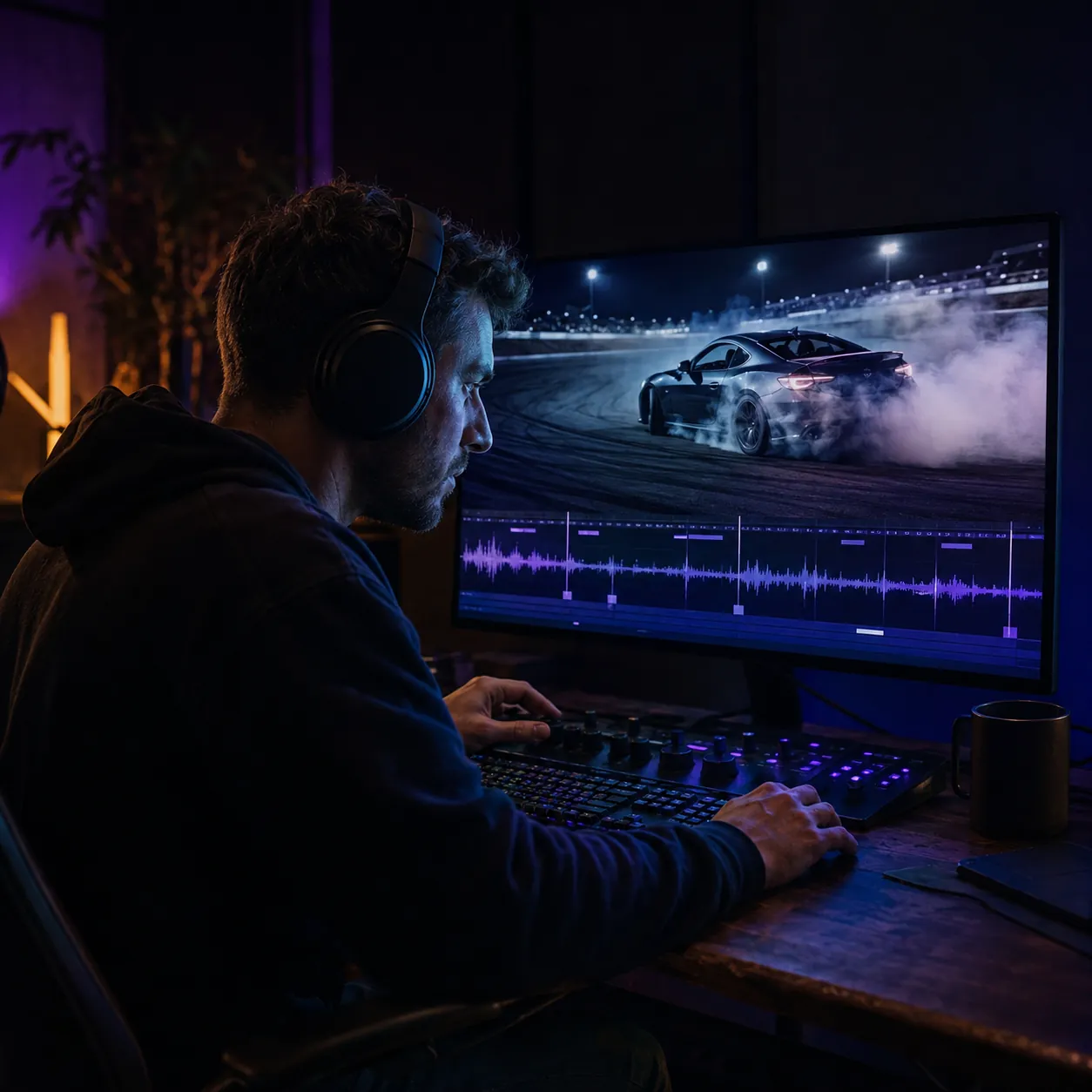
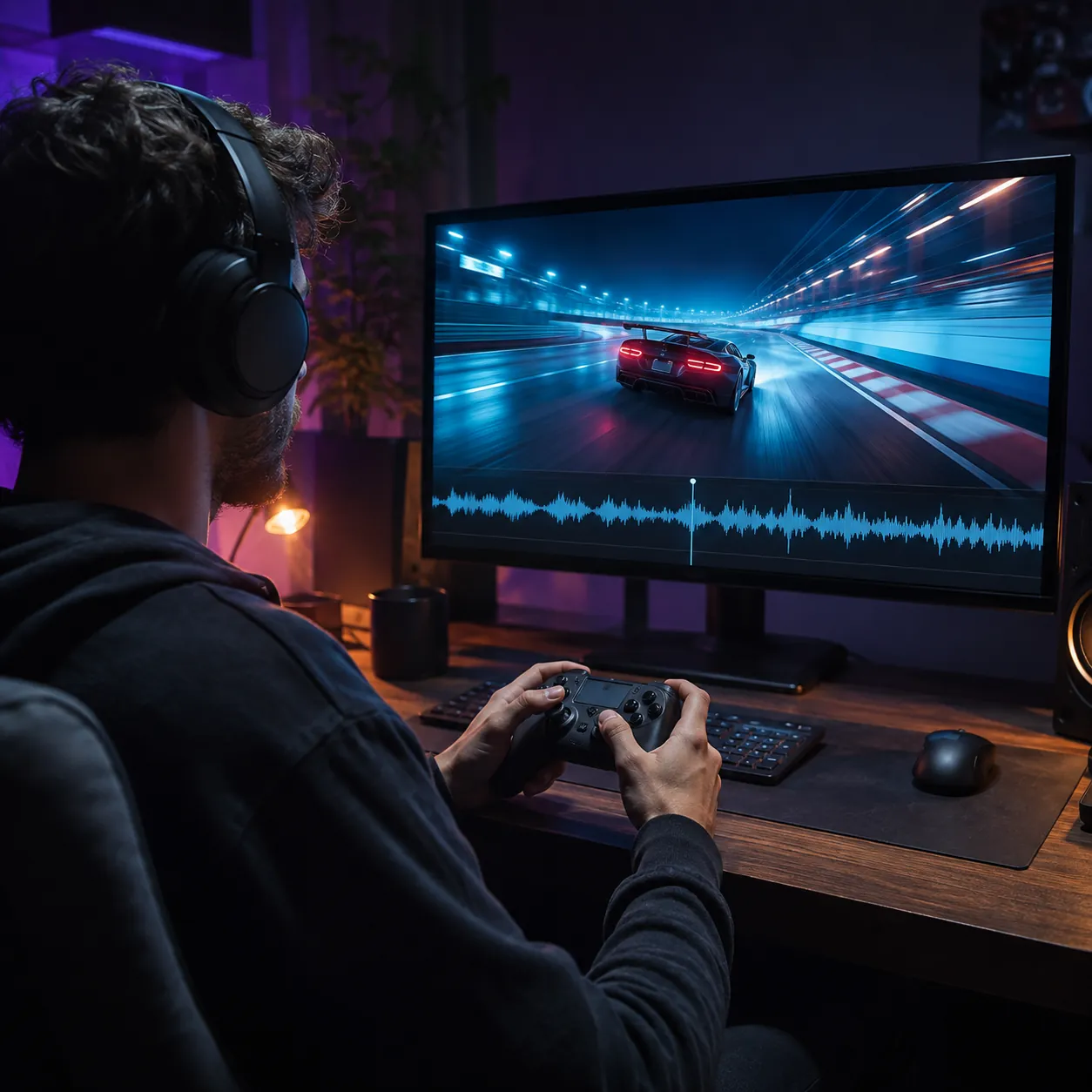
Video creator scoring a night drift edit with an original phonk track

Score a Drift or Car Edit

A strong edit needs the drop to support the cut, not arrive at random. Ask for a short build, a clear impact point, and a driving instrumental section with room for engine sound.

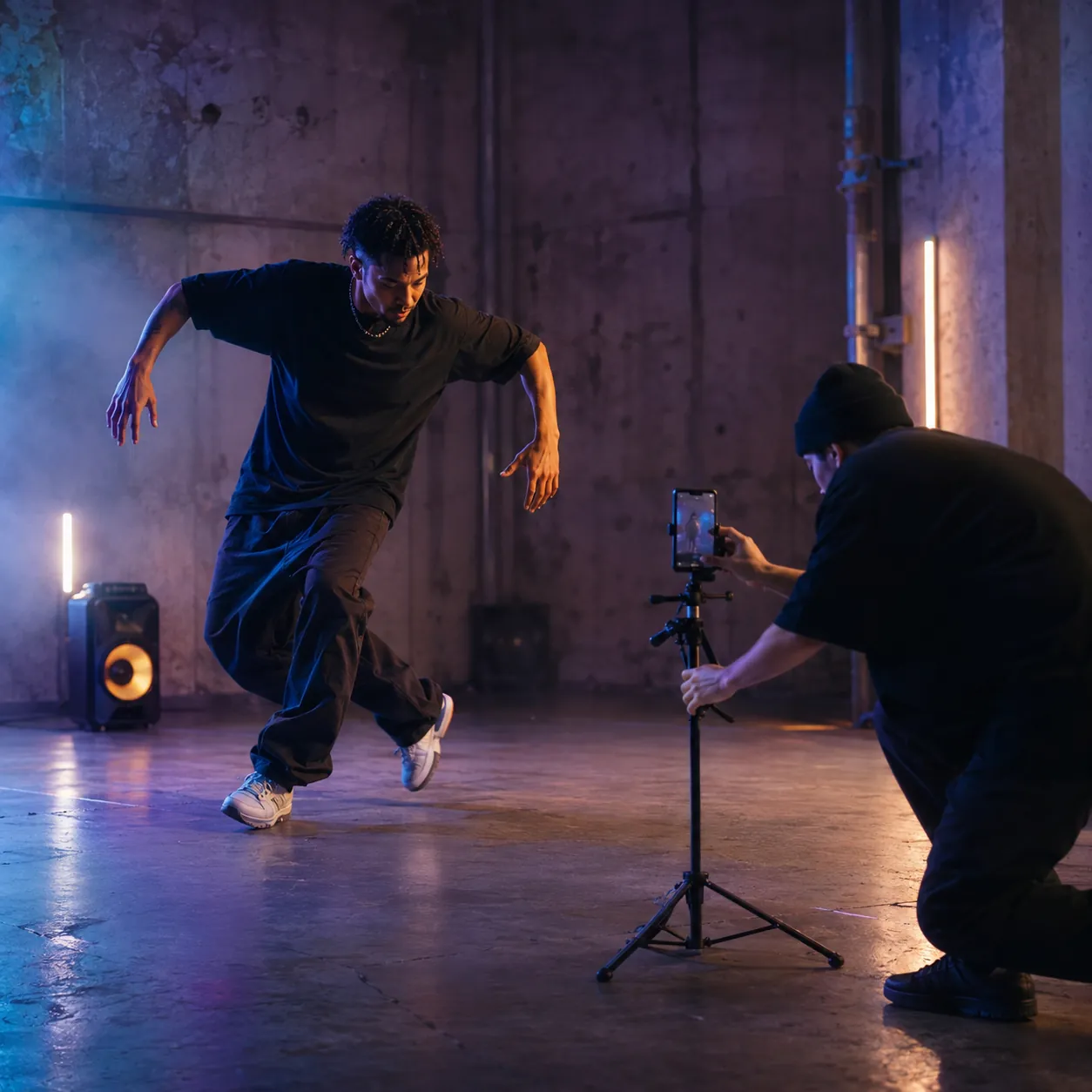
Dance creator filming an original Brazilian phonk short video

Cut Brazilian Phonk for Short Video

Fast footwork and sports clips need a rhythm the viewer can read. Describe the syncopated drums, compact hook, stop-start accents, and the length of the section you plan to use.

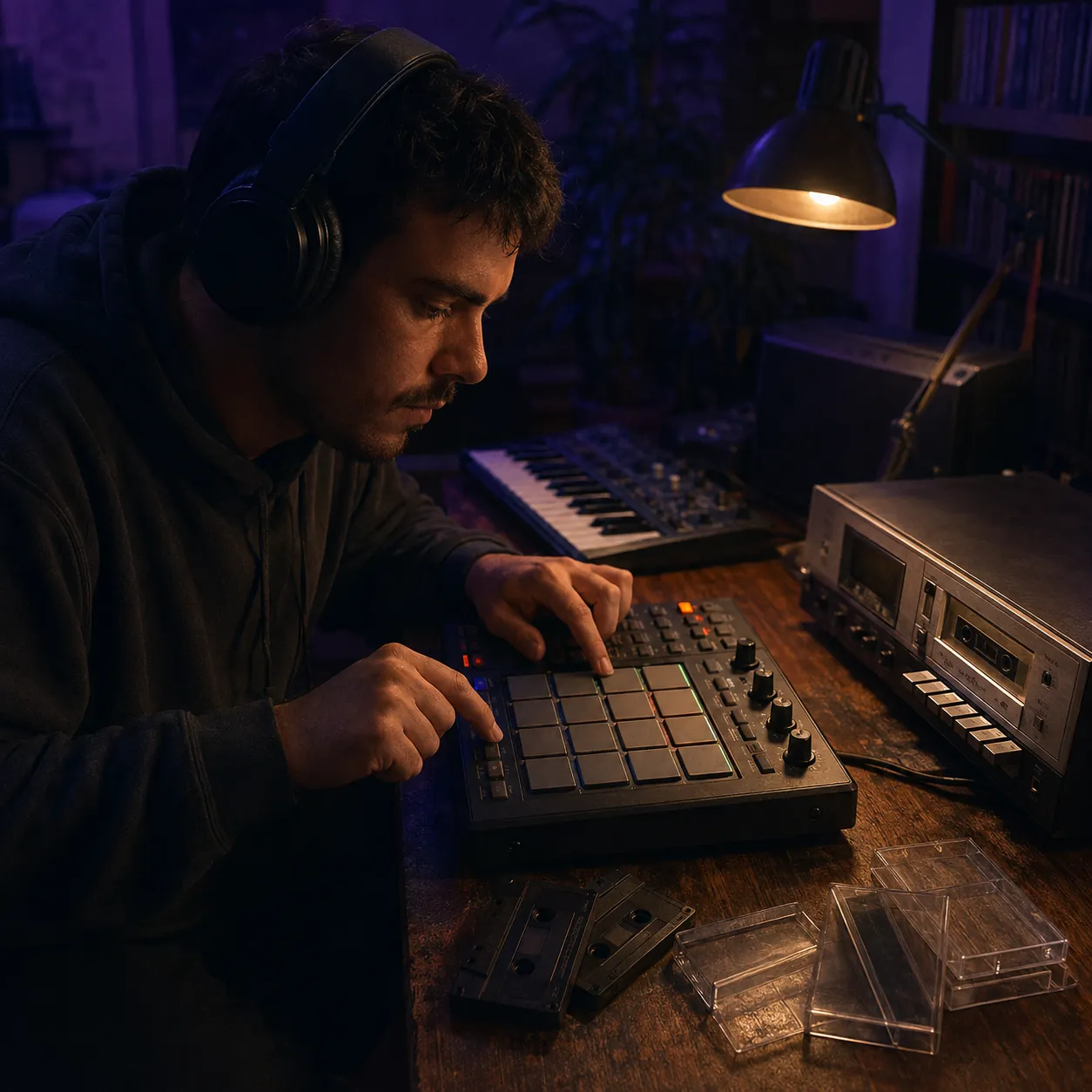
Producer sketching a raw Memphis-influenced phonk beat

Sketch a Memphis-Influenced Beat

A raw idea can turn glossy when the prompt says only “phonk.” Ask for dusty drums, restrained cowbell, tape wear, low vocal texture, and a simpler loop before you add more layers.

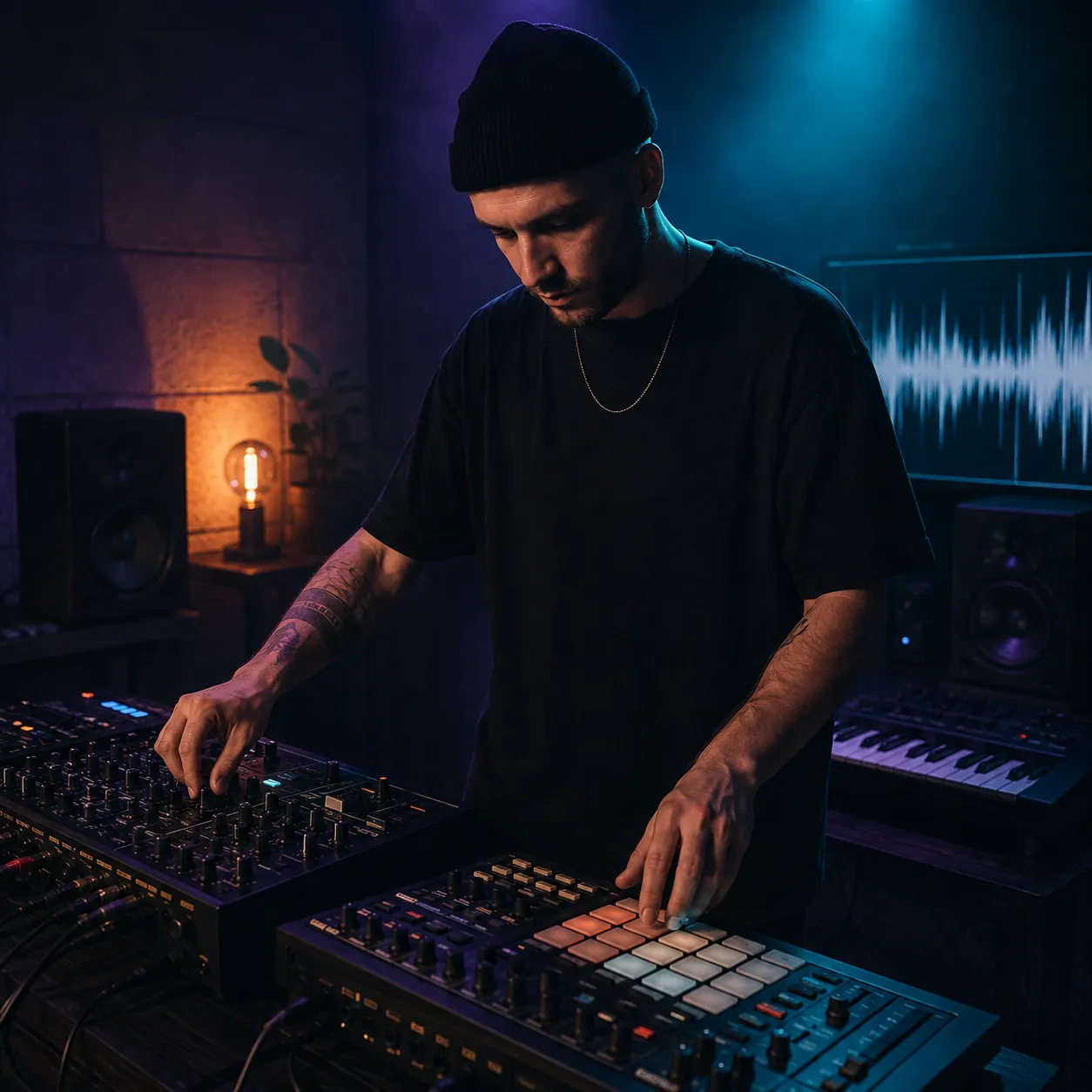
Producer testing a steady house phonk groove in a studio

Build a Steady House Phonk Groove

House phonk needs forward motion that lasts beyond one loud drop. Request a four-on-the-floor pulse, clipped cowbell motif, firm bass, and small changes every few bars.

Indie game creator testing phonk under a racing game sequence

Test Phonk Under a Game Scene

A racing or action scene needs energy without masking every effect. Ask for a focused lead, firm rhythm, controlled low end, and a loop-friendly section you can place under gameplay.

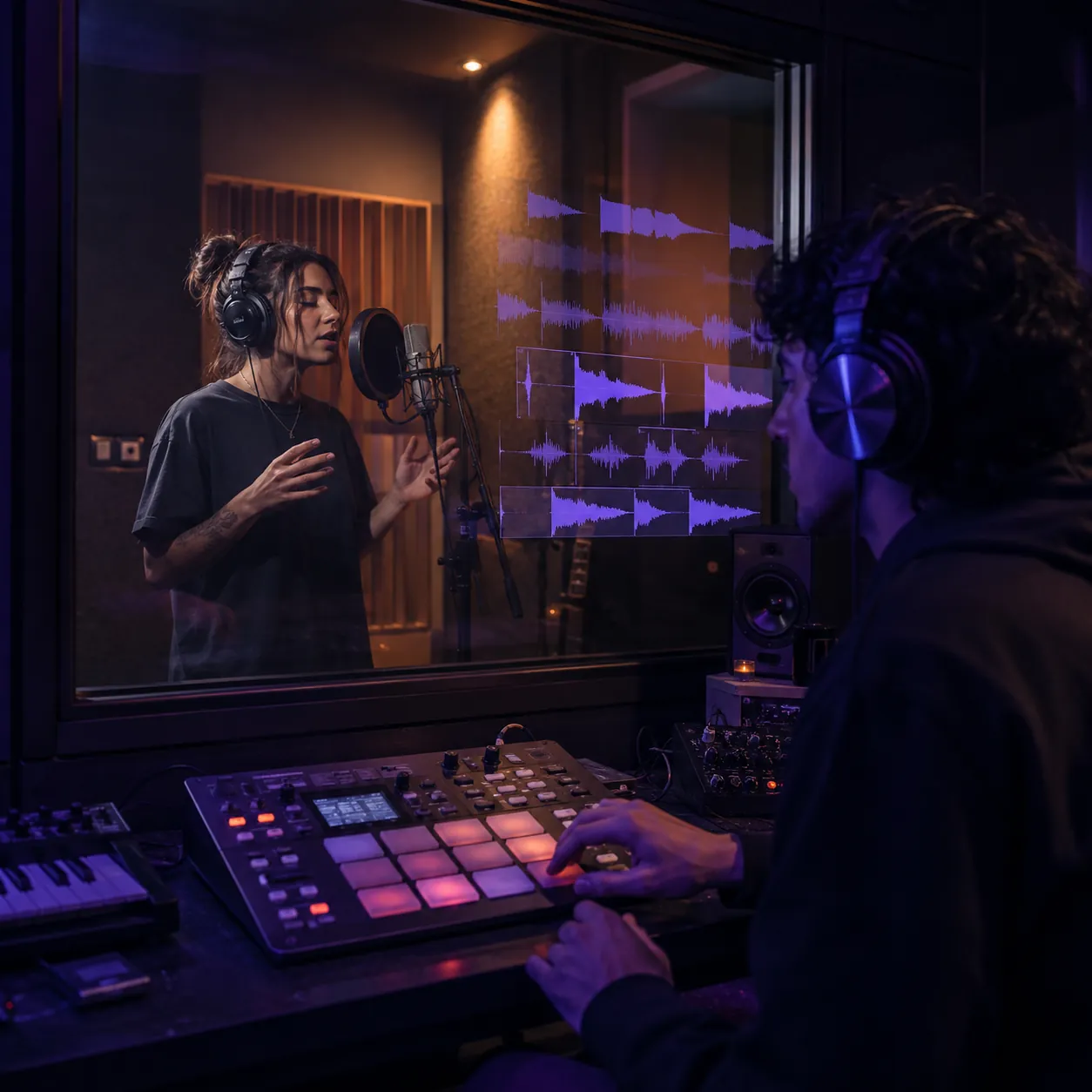
Producer shaping an original recorded phrase into phonk vocal chops

Plan Original Vocal Chops

A vocal layer can add identity, but a busy phrase can fight the cowbell. Use words you wrote or have the right to use. Then ask for short pitched phrases, pauses, and a clear place in the drop.

Direct the Details That Make Phonk Feel Distinct

Cowbell and distortion alone do not define every phonk track. The groove, sample texture, low end, vocal role, and arrangement need to point in the same direction.

Separate Drift, Memphis, Brazilian, and House Phonk

Use the subgenre as a starting point, then name its job. Drift favors a hard driving drop, while Memphis stays raw and sparse. Brazilian leans on syncopated percussion; house keeps a steady club pulse.

Give the Cowbell a Job

Ask whether the cowbell carries the main motif, marks the hook, or stays behind the drums. A clear role keeps it from filling every bar.

Shape the 808 and Kick Together

Describe the bass as clipped, sustained, sliding, or controlled. Then say whether the kick should punch through it or move with it.

Use BPM as Direction

Add a BPM when timing matters, but treat it as creative guidance rather than a frame-accurate lock. Listen to the groove before you cut a video around it.

Keep Vocal Texture Intentional

Choose instrumental for clean editing space, or describe a short chant, low phrase, or pitched vocal chop. Use only lyrics and recordings you have the right to use.

Map the Build and Drop

State how long the intro should feel, what adds tension, and what changes at the drop. The model can interpret that arc even when each version lands differently.

Control Distortion With Contrast

If everything is crushed, nothing feels heavy. Ask for a rough lead or bass while keeping the drums, vocal space, or intro cleaner.

Revise One Production Choice

If the rhythm works but the lead is too sharp, keep the groove and change the lead. Focused revisions make versions easier to compare.

Phonk Music Generator Questions

Quick answers about subgenres, prompts, BPM, cowbell, 808s, vocals, instrumentals, video use, free credits, and usage rights.

It is a tool that turns a written music brief or your own lyrics into a new phonk track. You can direct the subgenre, mood, BPM, drums, 808 bass, cowbell, vocals, and arrangement.

Choose drift, Memphis-influenced, Brazilian, house, or another clear lane. Add the BPM, drum motion, cowbell role, bass texture, vocal plan, and the shape of the build and drop.

You can start with free credits after you sign in. The form shows the credit cost before you generate, so you can review it first.

Name the lane and describe its production details. For drift phonk, try a driving pulse and hard drop. For Brazilian phonk, describe syncopated percussion, compact vocal accents, and stop-start energy.

Ask for a raw, dusty, sparse feel for a Memphis-influenced beat. For house phonk, request a steady four-on-the-floor pulse, clipped motif, and gradual changes across the loop.

Turn on Instrumental and describe the subgenre, BPM, cowbell, drums, 808 bass, distortion, and section plan. This leaves more space for edits, game sound, a voice-over, or your own vocal.

Open Lyrics to Song mode and paste words you wrote or have the right to use. Describe the delivery, pitch, phrase length, and where the vocal should enter.

Include the subgenre, BPM or tempo feel, mood, cowbell role, drum pattern, 808 texture, distortion level, vocal plan, and arrangement. Add the intended use when timing or space matters.

Treat BPM, bar counts, and drop timing as directions, not exact timeline controls. Generate first, check the result, then adjust the prompt or edit the audio to fit your final cut.

Tell the prompt what the track supports and where the energy should change. Leave room for engines, dialogue, game effects, or voice-over when those sounds matter.

Commercial use depends on your BeMusic plan and the track. Review the commercial license before monetized, client, or paid use. Use only lyrics and samples you have the right to use.

Choose one lead motif, give the cowbell a clear role, and remove competing layers. Keep the groove you like, then revise the bass, vocal, or distortion one choice at a time.

Need help with a generation? Contact the BeMusic team.

Start With the Drop Your Phonk Track Needs

Choose the phonk lane and mark the moment that should hit. Build the cowbell, 808, and drop around that cut.